

 2019-12-30
 - Source:NEWS
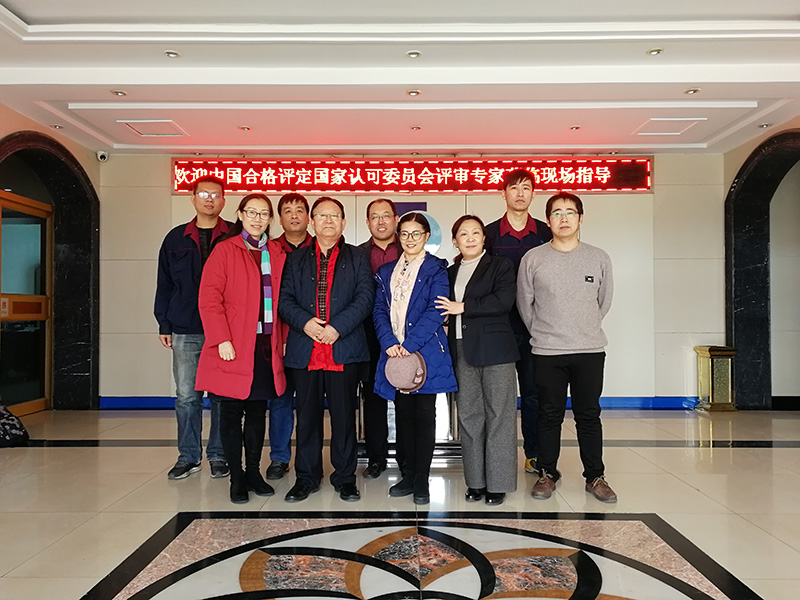
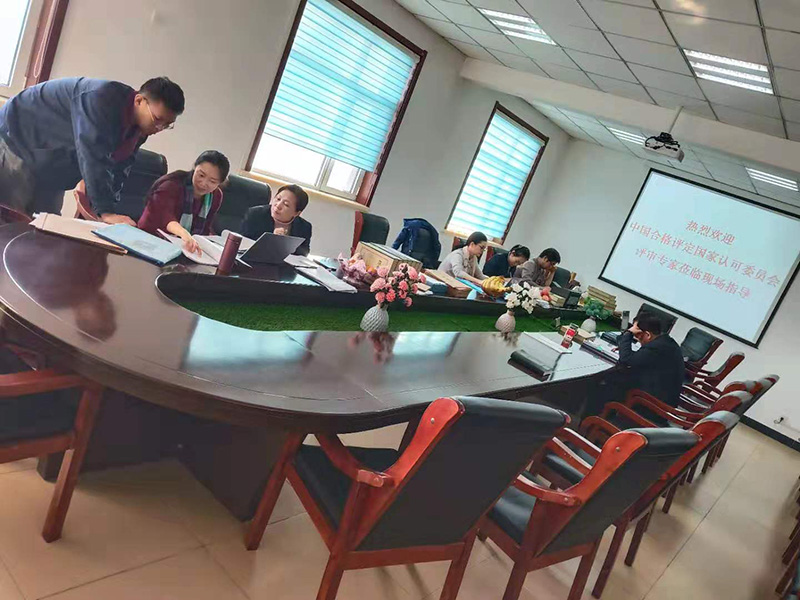
From December 28 to 29, 2019, the Physical and Chemical Testing Center of Cangzhou Xinyida Steel Pipe Group Co., Ltd. underwent an on‑site reassessment by two experts from the China National Accreditation Service for Conformity Assessment (CNAS). This was the fourth external audit since the Center implemented the CNAS CL01 laboratory accreditation management system, and also served as an evaluation of the management and technical capabilities of its current team of only eight members.
With the release and implementation of the new version of CNAS‑CL01:2018 accreditation criteria, the Center began planning for the revision of its CNAS management system in early 2018. In the spring of 2018, the Center assigned three staff members to attend a three‑day training session in Tianjin on the new CNAS‑CL01 accreditation criteria. Upon their return, they conducted research and discussions to establish the system framework. In September, the drafting of the Quality Manual and Procedure Documents commenced, and a preliminary draft was finalized in November. At the end of December, additional staff were sent to an external training session to address outstanding questions. In early 2019, discussions began on the third‑ and fourth‑level documents. After several rounds of discussion, the quality system documents for laboratory accreditation were finalized, followed by internal training within the testing center, and the system was officially implemented in June 2019.
In preparation for the reassessment, the Center decided to conduct an internal audit ahead of schedule, from October 16 to November 15, as a validation of the newly established system. A total of 485 items were audited, with 483 found to be compliant, 77 items not applicable, giving a compliance rate of 99.59%. Two non‑conformities were identified and have since been rectified and closed. On December 10, a management review was conducted, during which three improvement items were proposed. The system is currently in operation. Through the joint efforts of all personnel, and with internal audits, management reviews, and routine supervision, the management system operates effectively, and all processes remain under control.
During the assessment, the two auditors expressed sincere appreciation on multiple occasions for the meticulous and diligent work of all staff involved, as well as for the full commitment and accompaniment of the leadership throughout the process.
Following two days of thorough and detailed assessment by the two experts, and with the active cooperation and efforts of all center staff, the expert panel concluded that:
The laboratory has been able to revise and improve its quality management system documents in accordance with changes in CNAS requirements; process quality control is essentially comprehensive; and supporting service elements are basically effective. The personnel, testing instruments and equipment, as well as facilities and environmental conditions for the applied accreditation, generally meet the requirements. The equipment has traceability channels that meet the requirements, and the laboratory staff are familiar with the testing standards. Overall, the requirements are satisfied, and internal and external quality controls are essentially in compliance. This demonstrates that the laboratory has established a management system aligned with its testing activities, in accordance with CNAS‑CL01 and its application notes for metallic materials, and has a mechanism for continuous improvement. The management system basically serves the quality policy and quality objectives, and the sampled quality activities are generally under control. However, the laboratory has deficiencies in areas such as personnel, equipment, methods, and management review. Four minor non‑conformities were issued. The assessment team recommends that the laboratory propose corrective actions as required, submit implementation status to the team leader, and, after follow‑up assessment is passed, recommend to CNAS that accreditation be maintained.